Home Office 🐘🏢 – The Elephant in the Room
Home office is the new normal – but many companies merely tolerate it. Why HR can no longer ignore the elephant in the room: studies, risks and concrete recommendations.

Introduction
The elephant is standing right in the (virtual) room: home office has long become the norm, yet many companies still only tolerate rather than promote it. Leaders cling to familiar routines – often out of concern for control and culture. Yet recent studies prove that remote and hybrid work boost not only employee satisfaction but also business performance. This article shows why the topic urgently belongs on the agenda – and how HR teams can tame the elephant.
1. Why home office is often only tolerated
"Home-office usage dropped by 17 percentage points in 2024; one in ten executives is even calling for an end to remote work." (Deloitte Flexible Working Study)
1.1 Trapped in routines
- Command-and-control mindset: Many leaders confuse presence with productivity.
- Path dependency: Established processes, tools and office layouts are built around physical presence; change feels risky.
- Measurability gap: Without clear output KPIs, managers feel blind.
1.2 The cost of hesitation
| Risk | Impact |
|---|---|
| Talent shortage worsens | Remote talent moves to flexible employers. |
| Rising costs | Underused office space ties up capital. |
| Culture erosion | Unregulated "shadow home office" breeds opacity. |
| Lack of diversity | Work-life integration often only works with home office. |
2. The tangible benefits of home office
2.1 Health & well-being
- 36 % of employees in hybrid models report fewer sick days. (it-business.de)
- No commute means lower cortisol levels and a stronger immune system.
2.2 Productivity
- Employees working from home two days a week are just as productive as in the office and quit 35 % less often. (Stanford)
- 94 % of employers rate home-office performance as at least equal to in-office. (ifaa)
2.3 Retention & recruiting
- Flexible work acts like an 8 % pay raise and especially retains specialists and managers aged 30–50. (Business Insider)
2.4 Cost efficiency
- Long-term office space demand drops by 12 % – freeing budget for innovation and benefits. (ifo Institute)
3. From tolerating to enabling: HR recommendations
3.1 A clear remote policy
- Remote-first principle: Digital by default, presence with purpose.
- Transparent rules: Who works when and where? Tools like desk-booking create clarity.
3.2 Ensure ergonomic equipment
With onyo Home-Office-as-a-Service, employees receive certified office chairs, monitors and lighting – including risk assessment and reverse logistics.
3.3 Rethink culture & communication
| Lever | Practical example |
|---|---|
| Psychological Safety | Virtual retros & anonymous feedback channels |
| Social Glue | Digital coffee chats & quarterly offsites |
| Performance transparency | OKRs & weekly async updates |
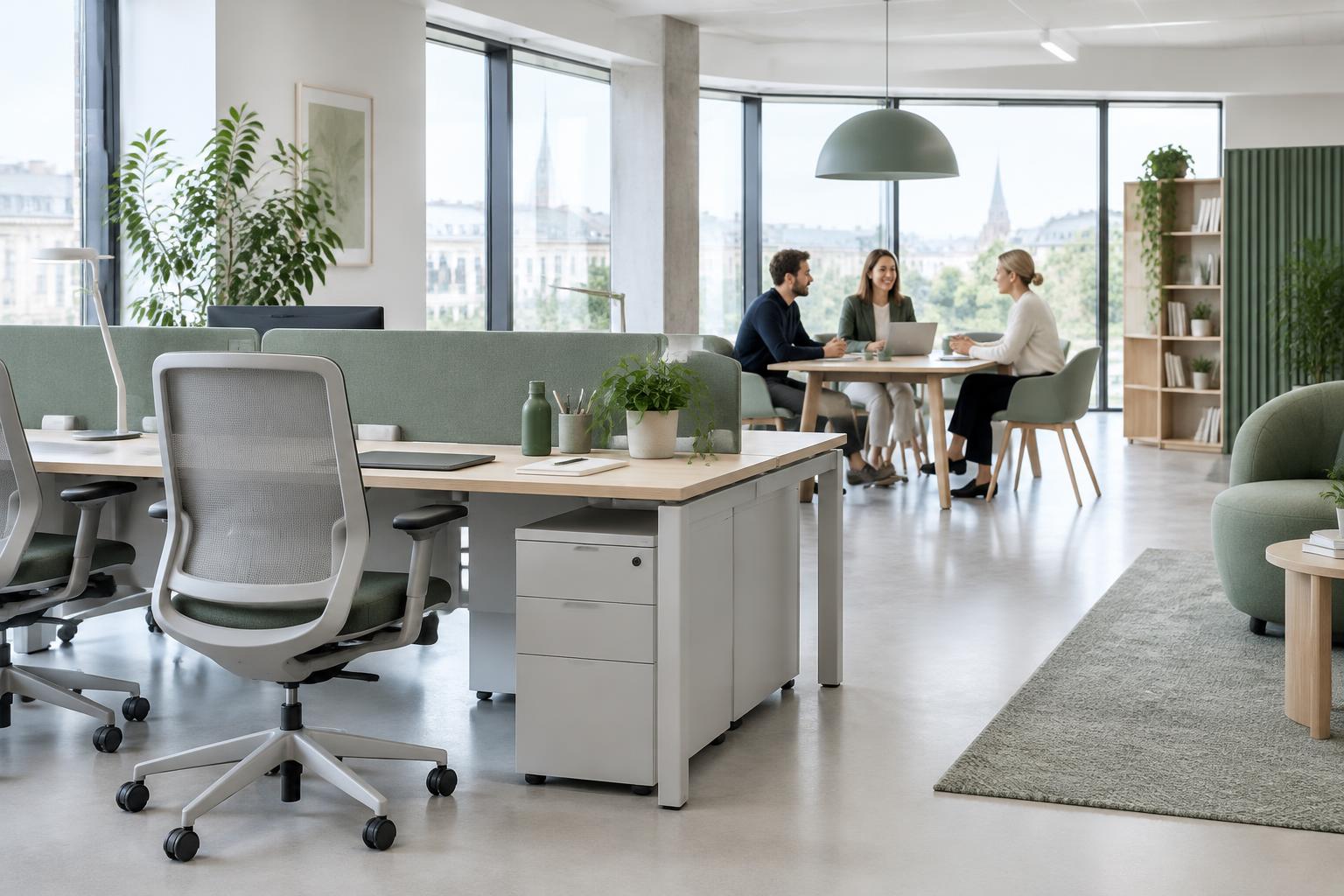
3.4 Use office space smartly
- Focus zones for co-creation & workshops instead of individual desks.
- Partnerships with co-working providers for peaks.
4. Conclusion
Home office isn't a nice-to-have – it's the biggest untapped lever for health, productivity and cost optimisation. Ignore the elephant and it will eventually trample your culture. Give it space, and everyone wins – employees, leadership and the bottom line.
Learn more
Want to know how to sustainably promote your employees' health in the home office? Book a consultation with us.