How ergonomic furniture supports your health in the home office
Ergonomic furniture in the home office: how chairs, desks and accessories prevent back pain, support posture and boost productivity.
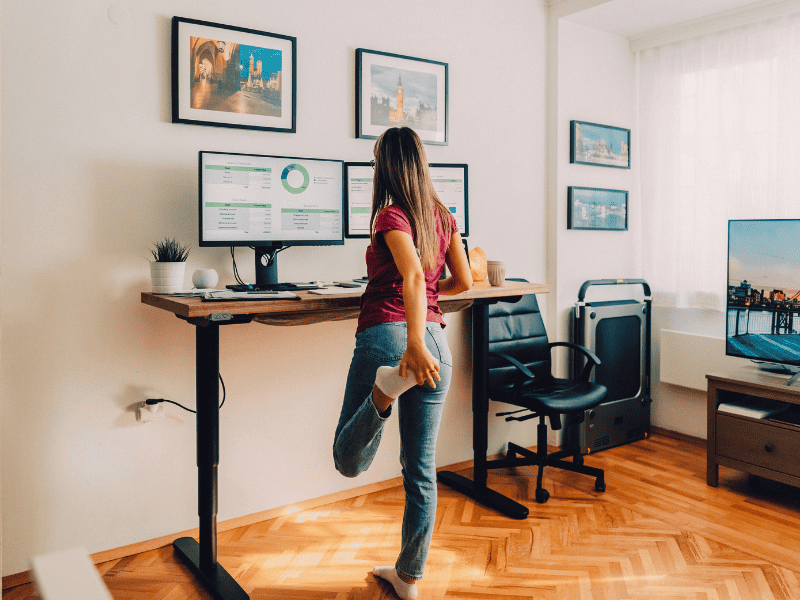
In recent years, the world of work has changed dramatically – and with it, the home office has become an increasingly popular option. While flexibility and convenience offer many benefits, working from home also brings challenges, especially for your health. One frequently overlooked aspect is the importance of ergonomic furniture. In this article, we look at its impact on your health and how it can help you work productively and pain-free.
Why is ergonomics important in the home office?
The term "ergonomics" refers to the design of workplaces that adapt to the natural movements of the human body. The goal is to reduce strain, stress and injuries from repetitive movements and poor posture. In the home office, many people spend hours in front of a screen – without a proper ergonomic setup, this can lead to health problems:
- Back pain: Poor sitting posture, insufficient lumbar support and an uncomfortable chair can affect work performance long term.
- Neck and shoulder tension: A screen that is too high or too low forces unnatural head positioning.
- Carpal tunnel syndrome: Poor wrist positioning on the keyboard and mouse increases the risk.
- Eye strain: Glare, reflections and incorrect screen position lead to dry eyes and headaches.
Learn more on our pages about health at the home workplace and work safety.
How ergonomic furniture supports your health
- Ergonomic chairs with back support: Promote correct posture and relieve the spine. Height-adjustable models allow individual adjustment.
- Height-adjustable desks: Switching between sitting and standing reduces strain on the lower back and improves circulation.
- Ergonomic keyboards and mice: Designed for natural hand positioning – they lower the risk of carpal tunnel issues.
- Monitor position and monitor arms: A monitor at eye level reduces neck and eye strain.
- Storage and organisation: Good furniture supports efficient work and reduces clutter-related distraction.
Find a suitable selection in our products and services.
Tips for an ergonomic home office
- Choose a suitable workplace: A quiet area with sufficient daylight and enough space for ergonomic furniture.
- Invest in quality: Premium ergonomic furniture pays off long term in health and productivity.
- Schedule standing and movement breaks: Get up, move and stretch regularly to relieve your body.
- Use ergonomic aids: Footrests or ergonomic cushions can further improve sitting posture.
Conclusion
Ergonomic furniture plays a crucial role in your health in the home office. Caring for correct posture and reducing strain not only boosts productivity – it also improves long-term well-being and health. For more background on modern ways of working, see our HR Glossary.
More information
Want to learn how to sustainably promote the health of your employees in the home office? Get in touch.