Labor Market Crisis: It’s Jobs That Need to Improve, Not Employees
78% are doing the bare minimum, mental-health absences up 52% – costs run into hundreds of billions. Why the answer is better working conditions, not more performance.
Germany’s labor market faces a deep crisis: high dissatisfaction, mental strain and growing alienation between employees and companies threaten not only productivity but also societal prosperity. Instead of demanding ever more performance from employees, companies and policymakers must focus on the quality of working conditions.
The silent crisis: doing the bare minimum instead of engagement
According to a recent Gallup study, 78% of employees in Germany are only doing the bare minimum at work. Emotional commitment to the employer is alarmingly low at just 9% internationally. The macroeconomic cost of this internal resignation is estimated at up to €135 billion per year.
On top of that comes a dramatic rise in mental illness: absence days due to mental conditions have risen by 52% over the past ten years to 342 days per 100 employees. The resulting costs amount to roughly €147 billion per year.
A misguided debate: more performance instead of better conditions?
Political calls for more working hours and more flexible working time fall short. Half of all overtime is already unpaid, and longer workdays demonstrably lead to declining concentration and performance. What is needed instead are measures that improve work quality and protect the health of employees.
Home office: opportunity and challenge alike
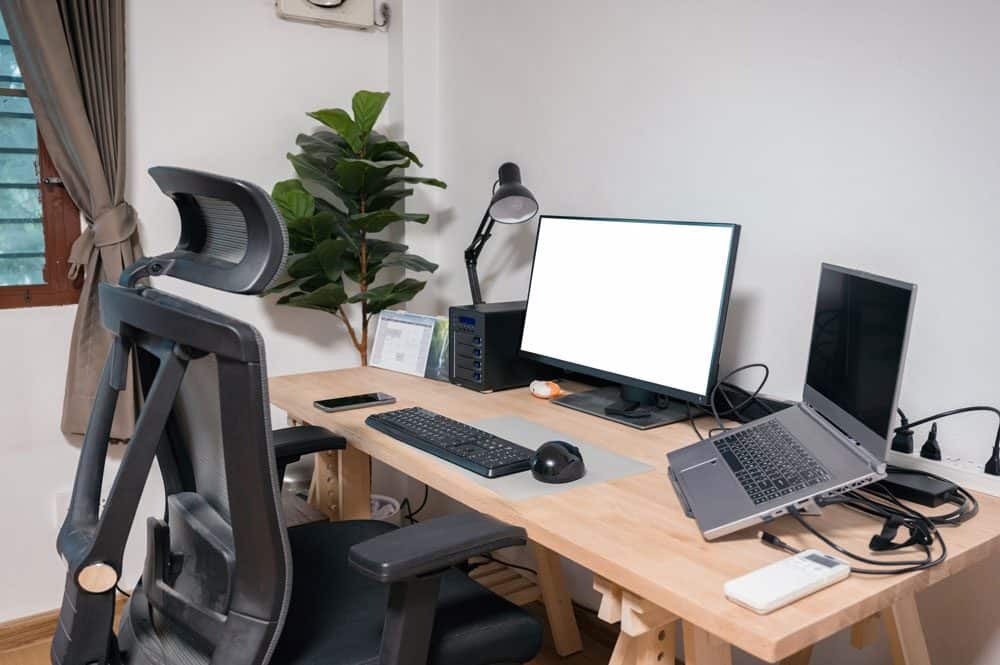
The increasing shift of work into the home office brings both opportunities and risks. While companies save significant costs on office space, many employees lack proper equipment at home. This leads to ergonomic issues, isolation and a blurring of work and private life.
This is where onyo comes in with its Home-Office-as-a-Service model:
- Ergonomic equipment: high-quality office chairs, height-adjustable desks and monitor arms.
- Digital risk assessment: ensuring compliance with labor regulations in the home office.
- Well-being & coordination: 1:1 sessions, active breaks and a desk-booking tool foster health and productivity.
Conclusion: rethinking the quality of work
Recent developments make it clear: it is time to put the quality of working conditions at the center. Companies must invest in the health and well-being of their employees to succeed long-term. Home-Office-as-a-Service models like onyo’s offer an effective solution.
Only by rethinking the world of work can we meet the challenges of the future and safeguard prosperity.
Sources
- Tagesspiegel: Labor market crisis: it’s jobs that must improve, not employees
- DAK Health Report 2025
- Gallup Engagement Index 2025