Sedentary Hybrid Work: Why Sitting Is the Biggest Health Risk of Modern Work
The SITFLEX study reveals how hybrid work dramatically increases sitting time. What HR must do now for ergonomics, movement and employee health.
For many, hybrid work means more flexibility – but also significantly more sitting. New findings from the SITFLEX study by the German Federal Institute for Occupational Safety and Health show how dramatically sitting behavior differs between office and home office – and what health risks this creates.
The message for HR leaders is clear: Lack of movement is no longer an individual issue – it is a structural problem companies must actively address.
1. Sitting: The Underestimated Health Risk of Knowledge Work
Prolonged sitting is one of today's most common workplace risk factors. The consequences are well documented:
- higher risk of cardiovascular disease
- increased likelihood of type 2 diabetes
- obesity due to declining everyday activity
- significantly higher overall mortality
- back and neck pain caused by poor ergonomics
Office workers are particularly affected: according to the study, they spend 73% of their working time sitting – and even more in the home office.
2. Home Office Makes the Problem Significantly Worse
The SITFLEX study analyzed 102 employees and found substantial differences between office and home office:
Steps per day
- Office work: approx. 3,000 steps
- Home office: approx. 1,300 steps
👉 Working from home cuts everyday movement by more than 50%.
Sitting time per day
Daily sitting time at home rises by 40–50 minutes.
Reasons identified by the study:
- missing movement triggers (e.g. walking to a meeting room)
- fewer social interactions
- less perceived "permission" to take breaks
- missing ergonomic equipment (e.g. height-adjustable desks)
The result: hybrid work often leads to even more one-sided behavior than pure office work.
3. Why Employers Must Act Now
The risks of sitting are not just personal – they affect the entire workplace:
- rising absences due to musculoskeletal disorders
- declining productivity in static, sit-heavy work formats
- higher mental strain due to missing breaks and movement
- weaker long-term employee retention
Hybrid work without a movement strategy is a cost factor, not a benefit.
4. The Most Effective Measures According to the Study
1. Low-threshold movement triggers in the office
- "Walk & Talk" meetings
- marked walking paths in the office
- motivational stair signage
- movement breaks within team meetings
2. A new meeting culture in the home office
- mandatory breaks between virtual meetings
- regular movement breaks (e.g. 2 minutes every 30–45 minutes)
- walking phone meetings
3. Participatory idea contests
When teams develop their own suggestions, acceptance rises dramatically. Example: commuting time saved through home office becomes dedicated "activity time".
4. Behavior-oriented measures
- internal health campaigns
- micro-learnings
- short videos with movement tips
- internal health ambassadors
5. Leaders as the key lever
Crucial for cultural change: managers must model movement themselves. Leadership directly influences employee activity, break culture and acceptance of ergonomic work formats.
5. What About the Home Office?
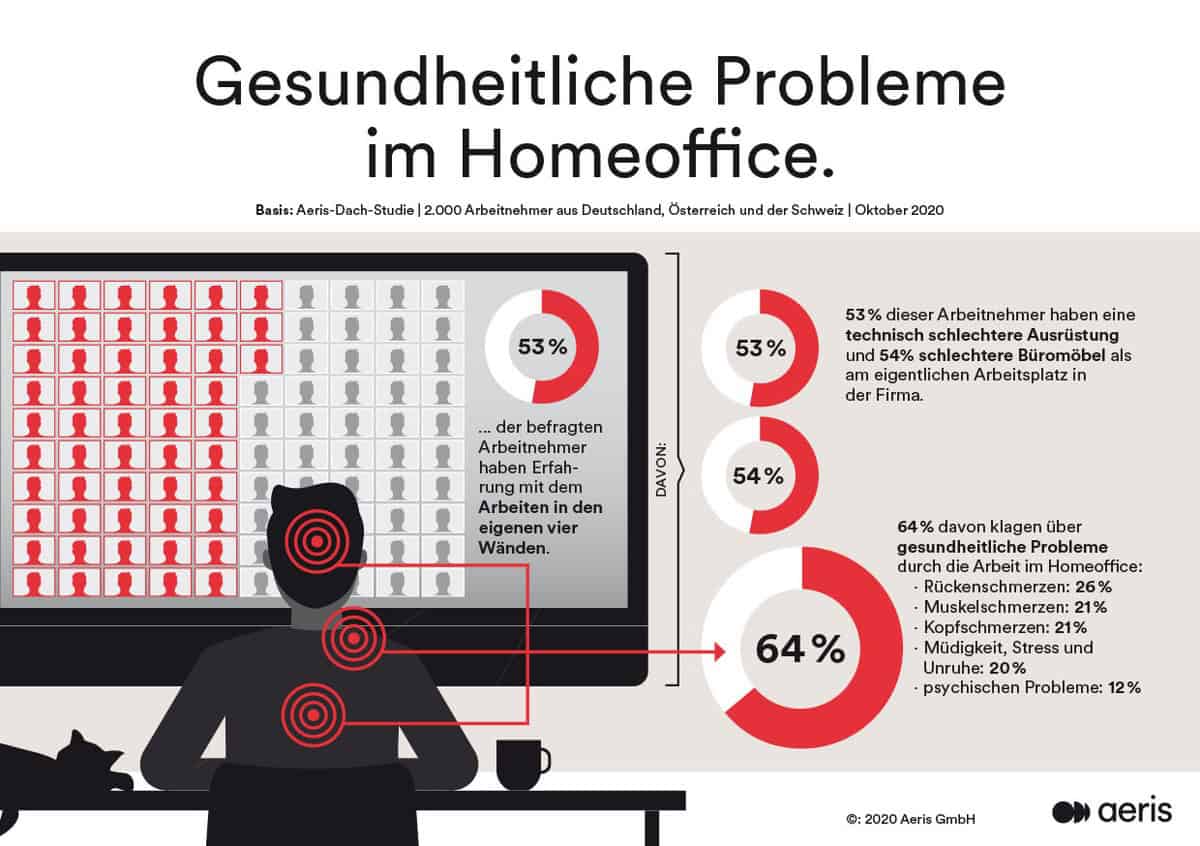
The analysis is clear: The lack of ergonomic home workplaces drastically intensifies the movement deficit.
Typical problems:
- dining table instead of desk
- static sitting positions without height adjustment
- no space for movement
- missing posture-change triggers
This is exactly where onyo helps:
- ergonomic, height-adjustable desks
- professional chairs with dynamic support
- easily integrated movement setups (anti-fatigue mats, standing phases)
- full home office compliance & documentation
Movement starts with the possibility to behave dynamically in everyday life – with Home-Office-as-a-Service by onyo.
Conclusion: Hybrid Work Needs a Movement-Friendly Culture
Prolonged sitting is no longer an individual problem – it is a structural risk of modern work. The SITFLEX study makes it clear:
- hybrid work increases the risk
- ergonomics & work organization determine health outcomes
- movement must be embedded in work culture
- leaders are central multipliers
- home offices need professional equipment
Companies investing today in ergonomic workplaces and movement-friendly processes gain healthier employees, fewer absences, more productivity and a modern, attractive employer profile.